Comprehending Lens Replacement Operation: Trick Insights And Elements


Posted By-Lynge Riis
Refractive lens exchange, often called lens replacement, is becoming a popular choice for patients in need of long-term vision improvement. If you're dealing with refractive errors including nearsightedness, hyperopia, or presbyopia, this procedure offers a tailored solution which can fit your needs. As the demand for effective and lasting alternatives to glasses and contact lenses, understanding the details of lens replacement surgery is essential for prospective patients.
In this complete guide, we will examine everything you need to be aware of before considering lens replacement surgery. From the advantages and disadvantages associated with the procedure to recovery durations and risks involved, we aim to equip you with vital information to help in informed decision-making. You will also find insights contrasting lens replacement surgery to more familiar options like LASIK, which helps you decide on the best path for your unique vision requirements. Come along as we explore the realm of lens replacement surgery and discover what steps you can take towards clearer vision.
Intro of Lens Replacement Surgery
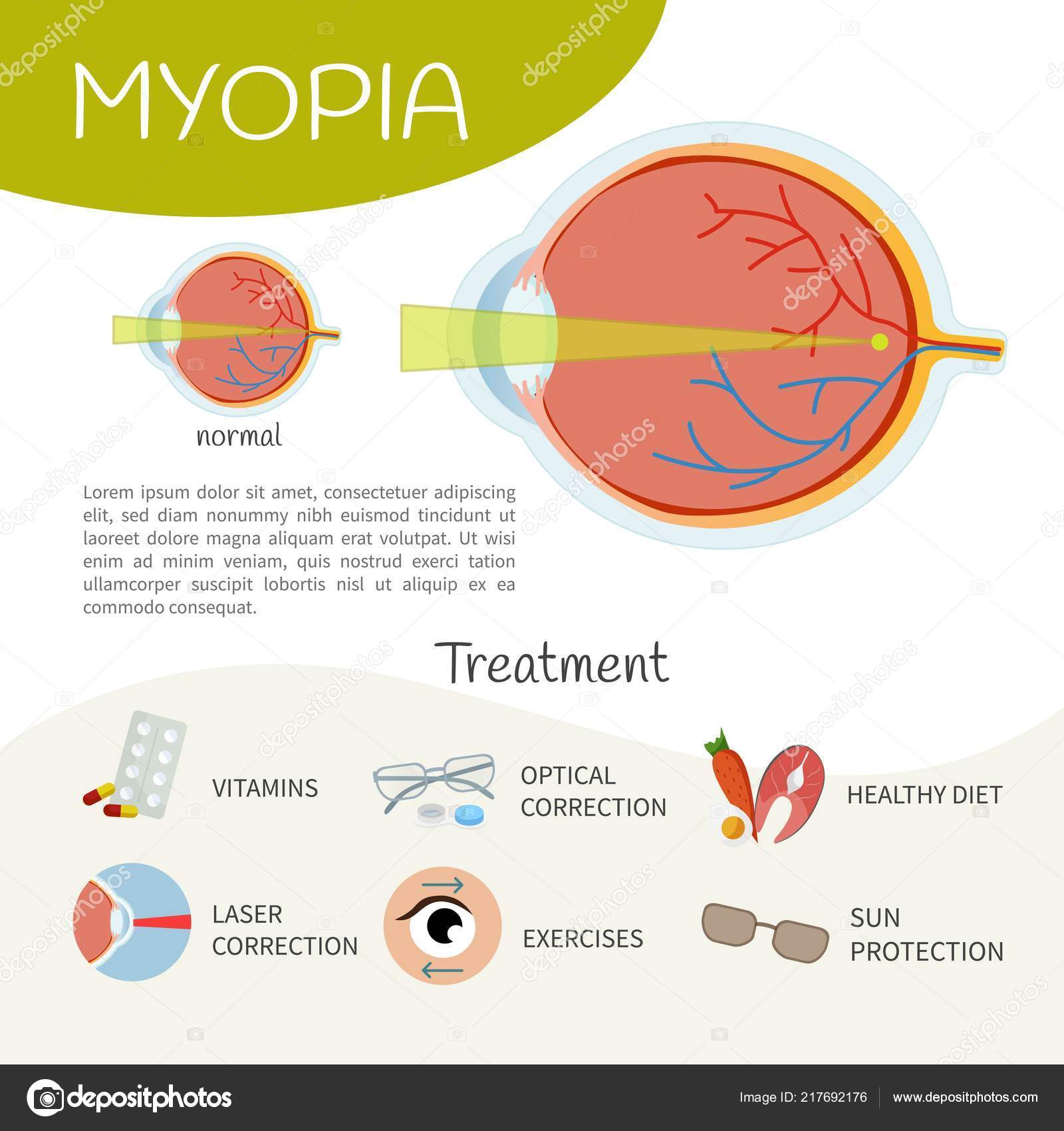
Lens replacement surgery, also known as lens exchange, is a surgical procedure designed to enhance eyesight by replacing the eye's innate lens with an artificial one. This procedure is particularly beneficial for people suffering from visual problems due to clouded lenses, farsightedness, or high refractive errors, such as high myopia or farsightedness. By extracting the natural lens and inserting a tailored lens, patients can achieve better eyesight and reduce their need on eyewear or contact lenses.
The surgery is typically performed on an outpatient basis using sophisticated procedures to guarantee safety and protection. Using regional anesthesia, the surgeon makes a small incision in the eye to reach the lens. The innate lens is then carefully removed and replaced with a premium intraocular lens designed to the patient’s specific vision needs. This procedure not just provides immediate visual benefits but also has the possibility to avert future ocular issues that may arise from age-related lens changes.
Recovery from lens replacement surgery is generally rapid, with most people experiencing better eyesight shortly after the procedure. However, as with any operation, it is important to evaluate the associated dangers and issues involved. Understanding the benefits and limitations of lens replacement surgery is crucial for anyone evaluating this treatment, as it empowers them to make educated choices regarding their eye health and vision correction options.
Benefits and Risks
Lensectomy offers several benefits that can significantly enhance vision clarity. One of the primary advantages is the ability for long-lasting vision correction, especially for those with significant prescriptions or presbyopia. https://mgyb.co/s/jeyns improved clarity at multiple distances after surgery, reducing or eliminating their reliance on spectacles or contact lenses. Additionally, advanced technologies such as high-quality lens options, including accommodating and extended depth of focus lenses, can improve overall visual outcomes.
However, like any surgical procedure, lens replacement carries inherent dangers. Potential complications may include infection, swelling, or issues related to the implanted lens, such as dislocation or incorrect positioning. Some patients might also experience temporary side effects like glare, halos, or fluctuating vision during the recovery phase. It is essential for candidates to have practical expectations and understand that while most outcomes are favorable, not every patient will achieve perfect vision.
Furthermore, other considerations must be addressed before pursuing lens replacement procedure. The suitability of a patient for the surgery can depend on various factors, including age, corneal thickness, and overall eye health. An experienced surgeon can provide a comprehensive evaluation and guide candidates through the decision-making process, detailing both the benefits and complications associated with lens replacement procedure tailored to their unique situations.
Candidacy and Consultation Process
Establishing candidacy for surgery to replace lenses is a vital step in the vision correction journey. https://www.webmd.com/eye-health/what-to-know-depth-perception are typically people experiencing vision issues such as loss of near vision, high degrees of nearsightedness, or serious cataracts. People in pursuit of permanent vision correction often explore options like custom lens replacement or refractive lens exchange. During the evaluation process, your eye care professional will examine your overall eye health, eye prescription, and specific vision goals to ensure that lens replacement is the right option for you.
The consultation process typically entails a thorough eye check, which includes tests to measure how thick the cornea is, retinal health, and the existence of other eye conditions. In addition, your surgeon will review your preferences regarding lifestyle and visual goals, helping to tailor the procedure to your specific needs. Comprehending your objectives is crucial, as it aligns your desired outcomes with what lens replacement surgery can realistically achieve.
Once you are identified as a suitable candidate, your ophthalmologist will explain the procedure steps, possible risks, and benefits. This includes discussing options for premium lens implants, such as lenses that accommodate or lenses for extended depth of focus. Patients should discuss the recovery period and what to predict after surgery, such as any adverse effects or problems that could occur. Educating yourself during the consultation process empowers you to make educated decisions regarding your vision health and choices for vision correction.
Cost and Financing Alternatives
The price of lens procedures can differ considerably based on multiple factors, such as the kind of lenses chosen, the surgeon's expertise, and the site of the procedure. In 2026, patients can expect to spend between a few thousands dollars to over ten thousand for high-quality lens options and state-of-the-art technology. It is crucial to have a thorough understanding of what the total costs will be, which includes pre-surgery appointments and any follow-up visits.
Financing options are available to help make lens replacement more accessible. Many clinics offer financing plans with low or no fees, allowing patients to distribute the cost over a longer period. Furthermore, utilizing Health Savings Accounts or FSA can also be advantageous. These accounts allow patients to set aside money tax-free for healthcare costs, which can greatly reduce the overall out-of-pocket costs.
Before proceeding with the procedure, it is recommended to ask about a detailed cost analysis during the consultation phase. This includes recognizing all potential unexpected fees and what is part of the quoted cost. Additionally, some clinics offer all-inclusive rates, which includes everything from the first consultation to after surgery treatment, guaranteeing there are no unexpected costs along the way.