From Pre-Surgery Consultation Through Healing: Assisting Your Eye Surgical Procedure Path


Written By-Bruus Saleh
Navigating the path of lens replacement surgery can seem daunting, especially if you're considering this option for correcting your vision. This thorough handbook is designed to supply you with the essential you need to learn, from comprehending what LRS entails to the gains and potential hazards involved. Whether you're exploring substitutes to vision correction methods or trying to decide if you’re a appropriate fit for the operation, we’ll help clarify your path to better eyesight.
As you delve into topics such as custom lens options, recovery timelines, and positive outcomes, you'll find that lens replacement surgery is not just a surgical event; it's a revolutionary experience that can improve your lifestyle. With advancements in surgical methods, custom lens replacement offers personalized solutions for different vision problems, including presbyopia and high prescriptions. Understanding the details of the procedure, expected outcomes, and risks involved will strengthen you as you navigate about your vision care and anticipated eyesight.
Understanding Refractive Lens Exchange
This vision correction procedure, also termed lens replacement surgery, is a vision correction procedure which entails the removal of the eye's natural lens and replacing it with an artificial intraocular lens. The procedure is designed to improve clarity of vision and is particularly beneficial for individuals with presbyopia, extreme nearsightedness, and certain major refractive issues. Therefore, it can offer lasting corrections to eyesight, eliminating the need for eyewear.
A significant advantage of refractive lens exchange lies in the wide range of premium lens options available, such as accommodating lens implants as well as lenses designed for extended depth of focus. These sophisticated lens options offer wider vision coverage as well as boost vision quality for multiple everyday activities. Tailored lens exchange is customized according to personal preferences, ensuring patients receive optimal results based on their unique vision requirements.
Although there are many advantages, refractive lens exchange does carry risks. https://www.opticianonline.net/features/future-of-optics-refractive-surgery may involve infectious outcomes, detachment of the retina, as well as changes in vision. It is essential for patients talk about their eligibility during the consultation, as well as any apprehensions regarding the safety and efficacy of the procedure. Understanding the procedure, the advantages it offers, and risks is essential for wise decision-making regarding the appropriateness of lens replacement surgery.
Guiding Through the Recovery Process
Healing from lens replacement surgery is a critical stage that determines the outcome of your sight improvement journey. At first after the procedure, it is typical to experience some pain, blurred vision, and sensitivity to light. These issues are typically temporary and should get better over the first few days. Adhering to your surgeon’s after-surgery instructions is vital during this time, as it will help promote a smoother healing process and enhance the overall outcomes.
As you advance through the first recovery phase, visiting follow-up sessions with your skilled cataract surgeon is important. These appointments allow your surgeon to track your healing process, change any treatments, and address any questions you may have. It is also critical to refrain from strenuous activities, heavy lifting, or pressing your eyes during the early days after the surgery to minimize the risk of complications. Composure is key, as full recovery may take multiple weeks.
Many individuals see considerable gains in their vision within a few sessions, but the complete settling of vision can take more time. While most people resume to regular routines within a week, some may require custom lens replacement healing time of several days to achieve best sight. Taking Clearsight Lasik & Lens Oklahoma City during this period, including getting enough recovery and using suggested eye drops, will be essential to your recovery and continued happiness with the outcomes.
Financial Aspects of Lens Replacement
In contemplating lens replacement surgery, grasping the financial implications is essential. The total cost can fluctuate significantly based on various factors, such as the surgeon's, the type of lens prescribed, and the geographic location of the procedure. In the year 2026, costs are anticipated to rise further, particularly for premium lens options that offer enhanced features, including increased depth of focus or accommodating lens implants. Patients should anticipate costs ranging between two thousand to five thousand dollars per eye, based on these factors.
Numerous insurance plans do not cover lens replacement surgery due to its designation as an elective procedure, though they may cover essential cataract surgery. It is vital for patients to research financing solutions to manage the personal expenses. Various clinics offer interest-free financing plans, allowing individuals to pay for the procedure in affordable monthly installments. Additionally, some patients may qualify for health savings accounts (HSA) or flexible spending accounts (FSA) to help reduce costs.
Transparent communication with the surgical team about the pricing details is crucial. Prior to surgery, patients should discuss all associated fees, such as pre-operative consultations, the surgery, and any potential post-operative care. This understanding helps avoid unexpected bills and ensures patients completely understand what their monetary obligation entails. In the end, weighing the benefits and long-term worth of lens replacement surgery against its costs can help individuals in arriving at informed decisions for their vision correction needs.
Frequently Asked Questions and Patient Experiences
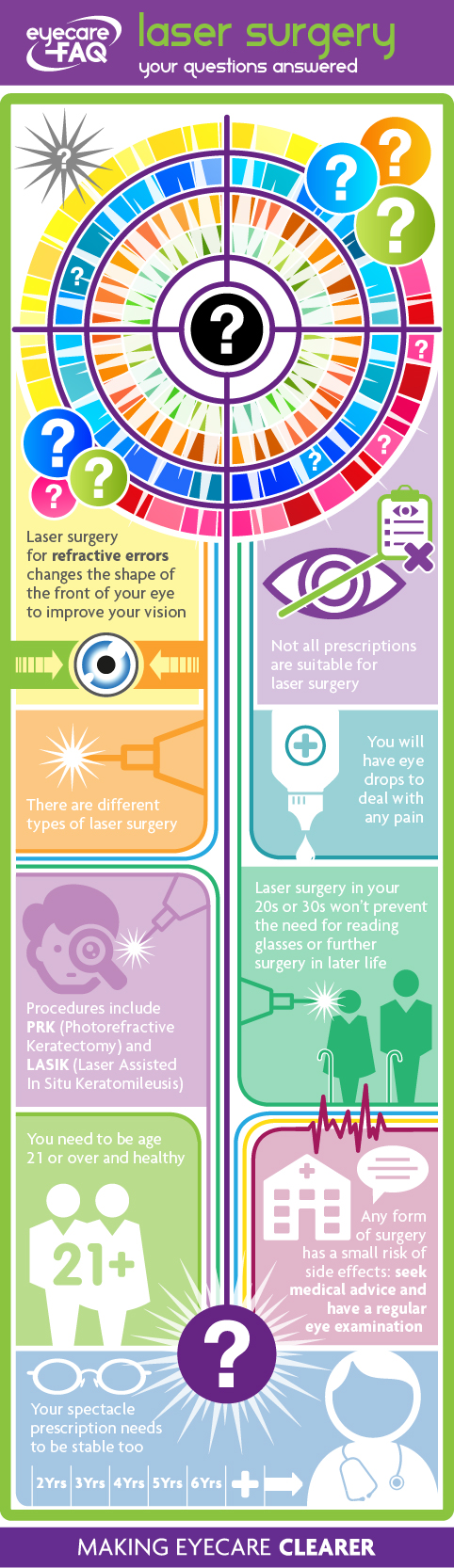
Many patients possess questions prior to undergoing lens replacement surgery, particularly regarding the procedure and its outcomes. Frequently asked questions consist of what patients should anticipate during the consultation process and how to determine if one is a suitable candidate for lens replacement. Prospective patients frequently inquire about the differences between lens replacement and other procedures like LASIK, in addition to the risks and benefits connected with each option. Engaging with a knowledgeable surgeon can offer clarity and help ease concerns regarding the surgery.
Patient experiences with lens replacement surgery are usually positive, with many noting significant improvements in their vision shortly after the procedure. Testimonials reveal that the recovery process can vary based on individual factors such as age and eye health, but most patients conclude that any discomfort or temporary side effects are manageable. Many appreciate the newfound clarity and freedom from glasses or contact lenses, which demonstrates the potential success of the procedure for vision correction.
As patients navigate their journey, they often recommend gathering as much information as possible from reliable sources, including doctor visits and patient forums. Understanding what to expect during recovery, including timelines and aftercare instructions, can contribute to a smoother experience. Overall, sharing experiences and knowledge fosters a supportive community for those considering lens replacement surgery.