Is Refractive Lens Exchange Safe? Facts Backed By Experts


Team Writer-Loomis Donnelly
When taking into consideration Refractive Lens Exchange, you may wonder about its security. While several specialists concur it's typically low-risk when executed by skilled doctors, issues can occur. Comprehending the potential advantages and risks is critical to making a notified choice. So, what do the researches really say? And how can you determine if RLE is the appropriate selection for your vision needs? Allow's discover the realities.
Understanding Refractive Lens Exchange: What Is It?
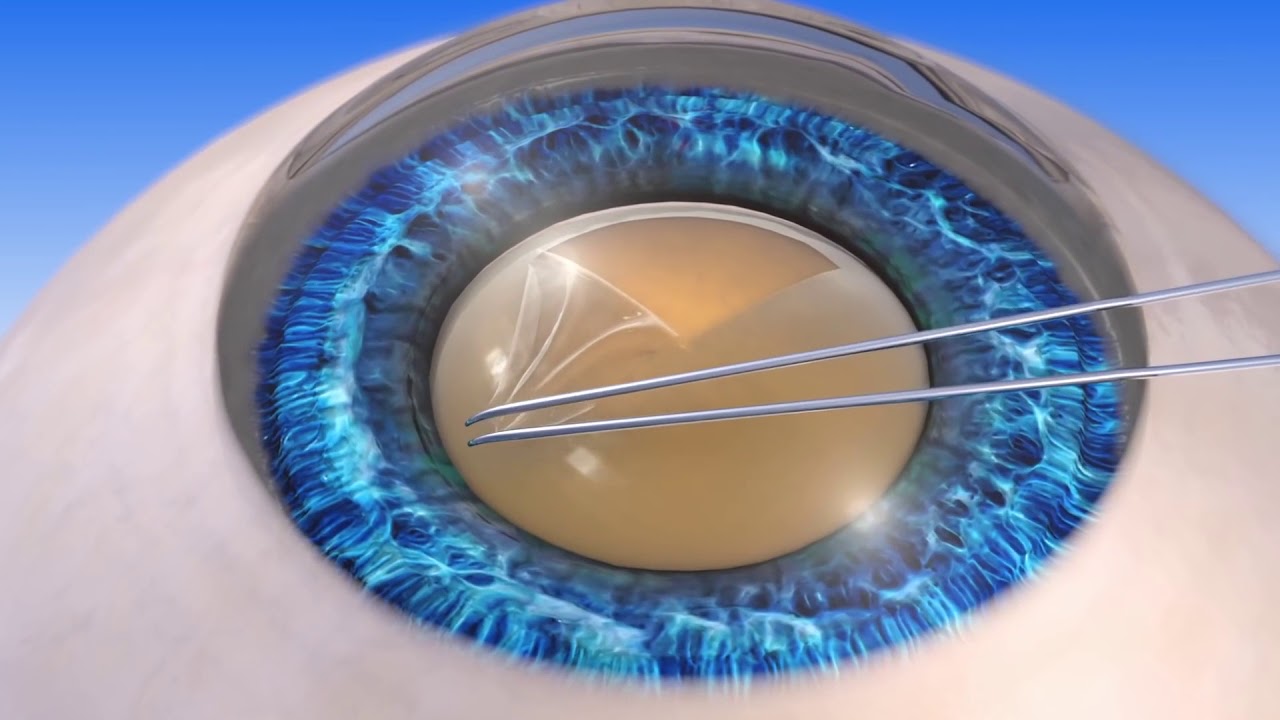
Refractive lens exchange (RLE) is a surgical procedure developed to address vision problems by replacing the eye's natural lens with an artificial one.
If you're fighting with issues like extreme nearsightedness, farsightedness, or presbyopia, RLE might be an option for you. The treatment entails removing your gloomy or inadequate lens and implanting a clear, synthetic lens tailored to your vision needs.
Unlike standard cataract surgical procedure, RLE is usually done on younger clients that have not developed cataracts yet. You'll usually experience a fast recuperation and enhanced vision shortly after the procedure.
Analyzing the Threats: What Experts Claim Concerning Safety?
While RLE offers promising benefits for improved vision, it is necessary to consider the associated threats. Professionals explain that, like any kind of procedure, RLE carries possible difficulties. These can include infection, inflammation, or perhaps vision loss.
You could additionally experience glare, halos, or the demand for glasses post-surgery.
Prior to case, it's crucial to consult with a qualified ophthalmologist who can review your details scenario. They'll discuss your case history and any type of pre-existing problems that can affect safety and security.
Weighing Advantages vs. Threats: Is RLE Right for You?
Just how do you recognize if RLE is the best choice for your vision requires? First, consider Life After Refractive Lens Exchange existing vision problems and how they impact daily life. If you're managing extreme nearsightedness, farsightedness, or presbyopia, RLE might offer a service.
Next off, evaluate the advantages-- like decreased reliance on glasses and boosted lifestyle-- against possible risks, such as difficulties or the requirement for additional procedures. It's essential to talk to an eye treatment expert that can evaluate your eye health and discuss your assumptions.
Final thought
Finally, Refractive Lens Exchange can provide significant benefits, specifically if you're fighting with vision issues. While the procedure is normally safe, it's important to evaluate the possible threats and consult with an experienced eye doctor. By understanding both the advantages and feasible difficulties, you can make an enlightened choice that lines up with your requirements. If Related Site considering RLE, put in the time to review your options and ensure it's the appropriate option for you.